Autumn Chimney Checklist: Preparing Your Fireplace Before the First Fire
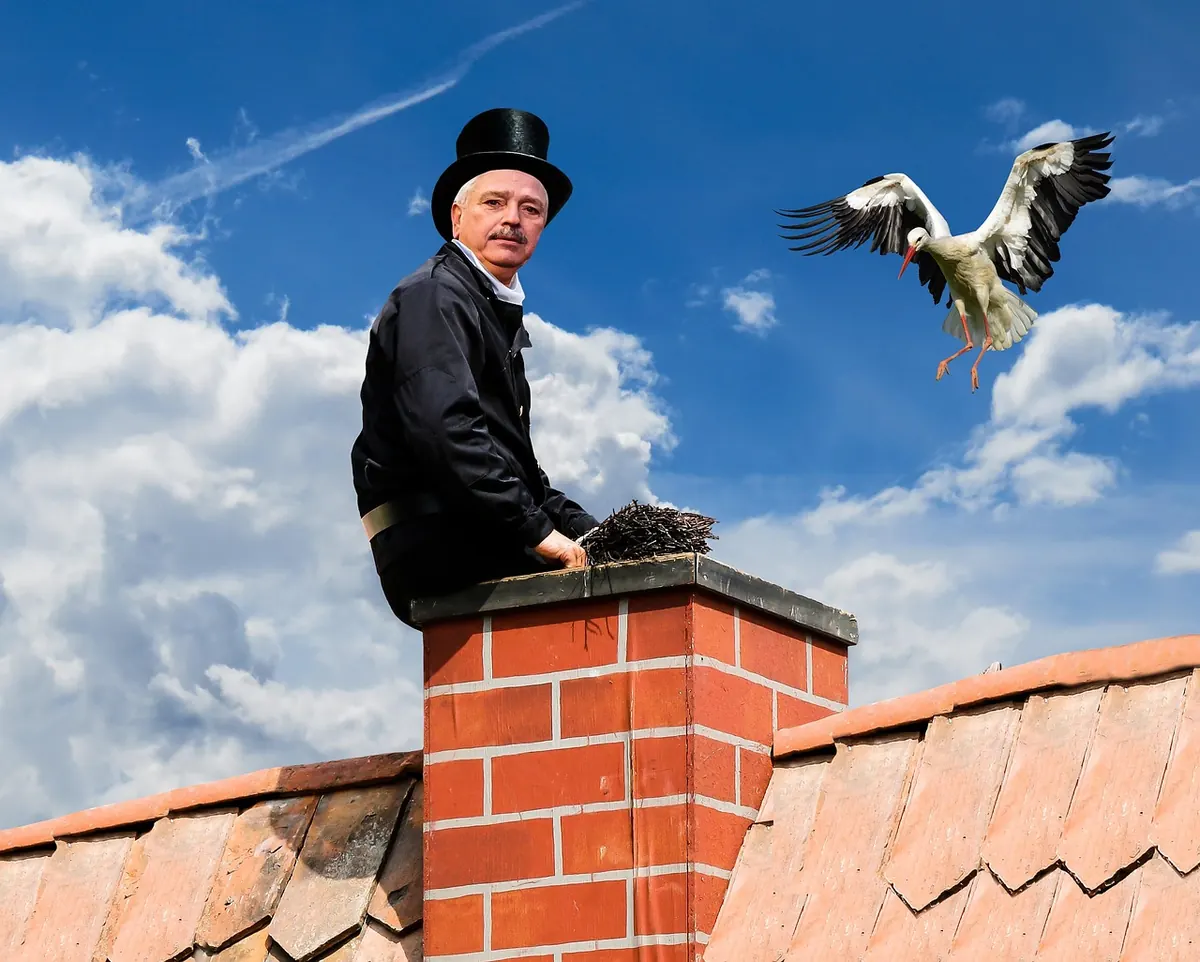
The first fire of autumn is one of the small, reliable pleasures of a home. Curtains drawn, a match, a curl of smoke, the smell of woodsmoke working its way into the room. But a chimney that has stood idle since March has had eight months to collect soot, leaves, nests and damp — and it rarely gives you a warning before it misbehaves.
Half a day in September or October is usually enough to put things right. The sensible order of work is: sweep first, then check the parts that move, then check the things that warn you when something has gone wrong. Do it once and the first fire of the season becomes something to look forward to rather than something to watch nervously.
Book the sweep before you need the fire
Chimneys need sweeping, and how often depends on what you burn and how often you burn it. An open fire used most evenings through winter generally wants at least one sweep a year. A woodburning stove on the same sort of schedule may need two, particularly if the wood isn't properly seasoned. Soot and tar narrow the flue, weaken the draw and, in the worst case, catch light. A chimney fire is loud, frightening and often expensive to put right.
Autumn is the busiest time of year for sweeps, so ring in late summer if you can. Ask what the visit includes — a proper job covers sweeping, a look at the flue and a word about anything that needs attention. Many sweeps will leave a certificate or receipt, which some insurers ask to see if you ever need to claim.
One thing to resist: burning a ferociously hot fire to "clear" a dirty flue. It's one of the more dependable ways to set the tar inside it alight.
Bird guards, cowls and blocked flues
Jackdaws are the classic culprits. They like a chimney pot, and a nest of twigs wedged above the fire can be remarkably solid. Squirrels, starlings and simple drifts of leaves do the same job. A blocked flue pushes smoke back into the room — unpleasant on an open fire, and genuinely dangerous on a gas or oil appliance.
You can check from below with a torch and a mirror, or by holding a phone on a short selfie stick and photographing upwards with the flash on. From outside, a pair of binoculars will tell you whether the pot is clear or whether something has moved in. Don't climb onto the roof yourself, and don't prod at a nest from underneath — you'll only shift it into a worse position. Let the sweep clear it, and ask them to fit a mesh bird guard or cowl over the pot while they're up there. It costs very little and settles the problem for years.
Dampers, vents and the stove door
These are the moving parts, and they tend to fail quietly rather than all at once.
- Damper or throat plate. Open and close it a few times. It should move freely and seal properly when shut. Stiff or jammed dampers are common after a summer of disuse.
- Air vents and air bricks. Check that vents in the room, and any ventilation built into the fireplace, aren't blocked by furniture, insulation or a well-meaning draught excluder. A fire needs air as much as fuel.
- Register plate and seals. On a stove installation, look for gaps where the flue passes through the plate. Fire cement or rope seal can perish over a summer.
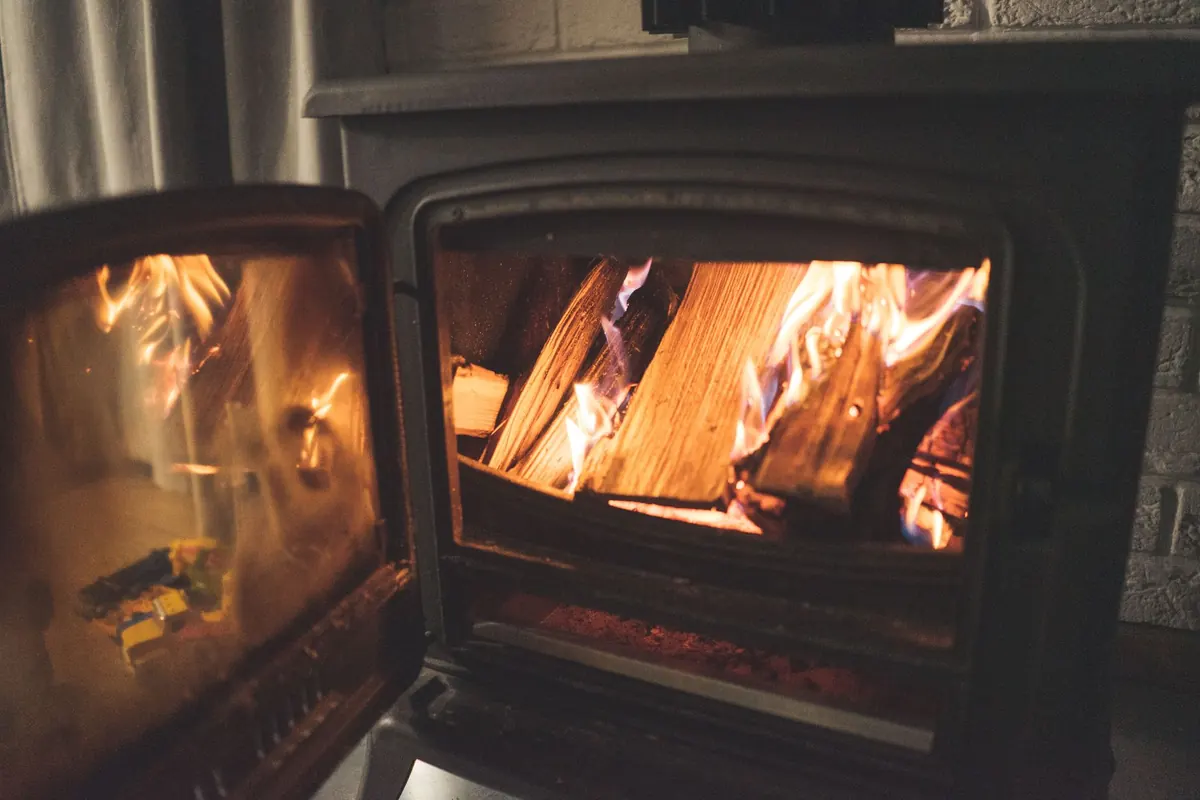
- Door rope and glass. Run a finger around the stove door seal. If the rope is flattened, frayed or blackened in one spot, it needs replacing — that's air leaking in where you don't want it.
- Firebricks and grate. Hairline cracks are usually fine; loose or crumbling bricks are not. Check the grate sits level and hasn't cracked.
- Ash. Empty the ash pan and clear the grate before the first fire. A thick bed of old ash restricts airflow and smells faintly of a summer gone stale.
Wood, moisture and what not to burn
Damp wood is the single most common reason a fire smokes, burns coolly and coats the flue in tar. Seasoned hardwood, split and stacked under cover with air moving around it, is what you want; a moisture meter is a cheap way to check, and anything above roughly a fifth water by weight is best left to dry for another season. Kiln-dried logs remove the guesswork. Store logs away from the house wall and never stack them against the stove.
Don't burn treated or painted timber, chipboard, glossy magazines or anything plastic. If you live in a smoke control area, you'll need to burn authorised smokeless fuel or use a Defra-exempt appliance — your local council can tell you whether your area is covered and what's permitted. Whatever you burn, keep the fire small and hot rather than slumbering and cool; it's better for the flue and better for the room.
Carbon monoxide alarms
Every home with a solid fuel, gas or oil appliance should have a carbon monoxide alarm. Look for one carrying the British Standard mark (BS EN 50291) and fit it according to the manufacturer's instructions — generally near the appliance but not directly above it, at something like head height when you're seated, and away from curtains, dead corners and draughty spots that can confuse the sensor.
Test it monthly, replace the batteries when the unit asks, and replace the whole alarm at the end of its stated life; sensors lose sensitivity over time. Don't treat the alarm as a substitute for maintenance. Gas and oil appliances should be serviced annually by a suitably registered engineer — Gas Safe for gas, OFTEC for oil — and solid fuel appliances need sweeping and an annual check.
If an alarm sounds, or anyone in the house develops headaches, dizziness or nausea that ease when they go outside, treat it seriously. Open doors and windows, turn the appliance off if you can do so safely, get everyone outside and call for help — the national gas emergency line for a gas appliance, or the emergency services if anyone is unwell. If you're ever unsure about symptoms or exposure, seek medical advice.
Your pre-season checklist
- Book the sweep and have the flue cleared and checked.
- Fit or repair a bird guard over the chimney pot.
- Test the damper, vents, seals and stove door rope.
- Empty the ash, check the grate and firebricks, clean the glass.
- Order or stack dry, seasoned wood and check its moisture.
- Test the carbon monoxide alarm and the smoke alarm; fit fresh batteries.
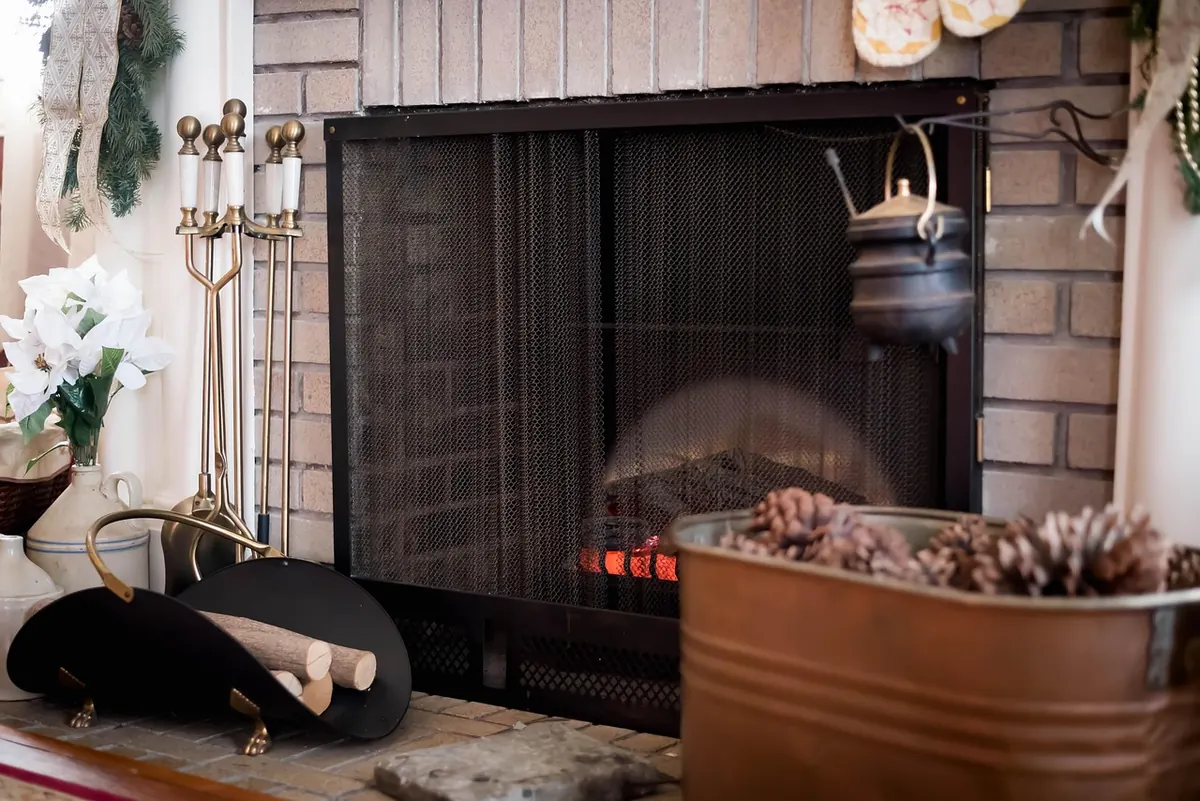
- Clear the hearth, check the fireguard fits, and put the tools and an ash bucket where you can reach them.
The first fire
Don't begin with a blazing furnace. A small warming fire lets the flue come up to temperature gradually, which is kinder to brickwork and stove metal alike, and it will show you straight away whether smoke is spilling into the room or the draw is sluggish. Give it an hour, watch how it behaves, and keep the fireguard in place.
If smoke drifts back, the flue is cold, blocked or short of air — open a window briefly, check the vents, and if it persists, call the sweep back rather than putting up with it all winter. If everything draws cleanly, pour something warm, put your feet up and enjoy it. A few hours of preparation in the autumn is what buys you a whole season of easy, comfortable fires.
Photo: garten-gg / Pixabay