How to Choose the Right Radiator Size for Every Room
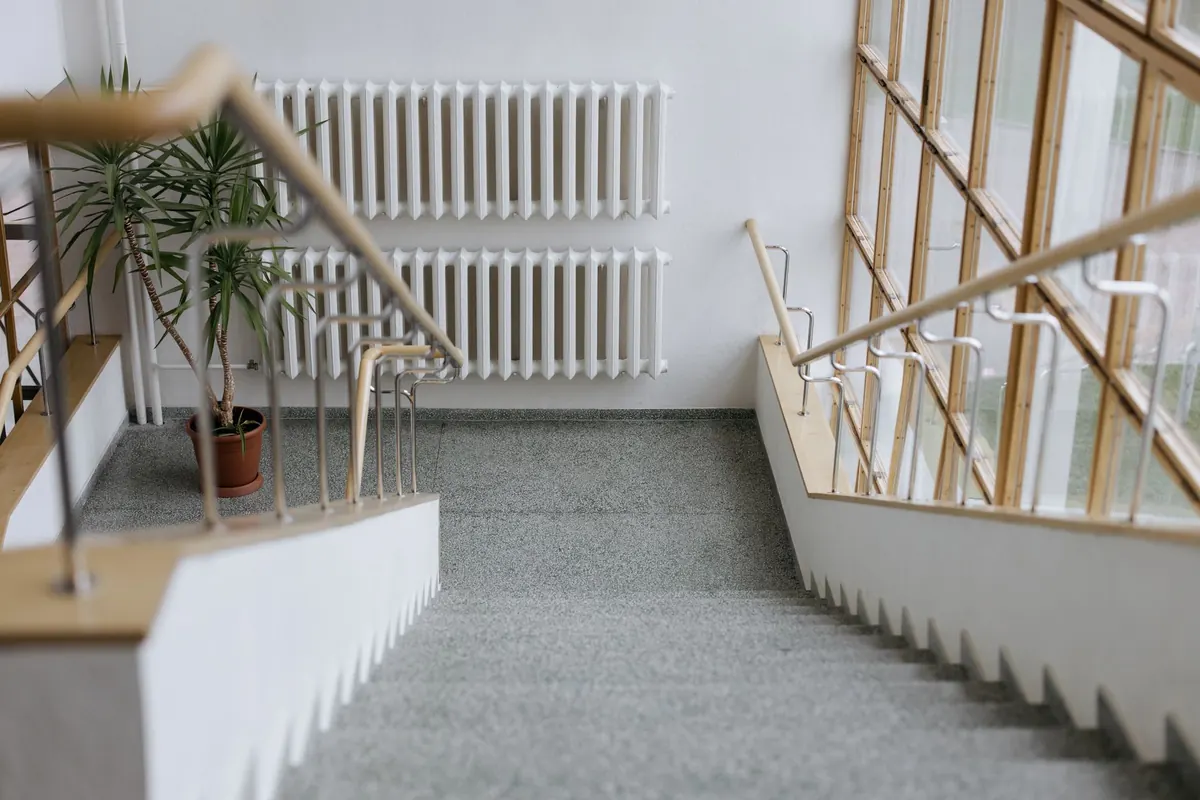
A radiator that is too small will leave you huddled by a fan heater in February. One that is too large costs more than it needs to and can make a small room feel clammy. Getting the size right comes down to a handful of measurements and one simple calculation — and it is worth doing properly before you order anything.
This guide walks through the method room by room, so you can size each radiator to the space it actually has to heat.
Start with heat loss, not guesswork
Radiators do not heat rooms; they replace the heat those rooms lose. So the question is never "how big is the room?" on its own, but "how quickly does this room lose warmth?" Several things drive that:
- Volume: floor area multiplied by ceiling height, not floor area alone.
- Insulation: cavity wall insulation, loft insulation and draught-proofing all slow heat loss.
- Glazing: single glazing loses far more heat than double or triple glazing.
- Window size: the bigger the glazed area, the greater the loss.
- Exposure: a room with two or three external walls, or one facing prevailing wind, loses more.
- What is above and below: a room over a cold garage or under an unheated loft loses more than one with warm neighbours.
Two rooms of identical size can need radiators that differ by a third, purely because of these factors.
Calculating the BTU you need
In the UK, radiator output is usually quoted in watts and BTUs. One watt is roughly 3.41 BTU per hour, so 1,000 watts is about 3,412 BTU. The traditional method is:
- Measure the room's length, width and ceiling height in metres.
- Multiply them together to get the volume in cubic metres.
- Multiply the volume by a watts-per-cubic-metre figure that reflects how well the room holds heat (see below).
- Convert watts to BTU by multiplying by 3.41.
- Adjust up or down for large glazing, exposure and how the room is used.
As a rough guide to that watts-per-cubic-metre figure:
- New build, excellent insulation and glazing: around 35–40 W/m³.
- Modern home, good insulation and double glazing: around 45–50 W/m³.
- Older home, some insulation, double glazing: around 55–65 W/m³.
- Period property, solid walls, single glazing: 70–80 W/m³ or more.
Take a bedroom measuring 3.6m by 4m with a 2.4m ceiling. That is 34.6 cubic metres. In a reasonably insulated house, multiply by 50 to get 1,730 watts, then by 3.41 to get roughly 5,900 BTU. If the room has a large bay window and two external walls, add 15–20 per cent. That takes you to around 7,000 BTU — and that is the number to shop with.
Kitchens run warm from cooking and appliances, so you can often size slightly below the calculation. Bathrooms are usually kept warmer than other rooms, so err on the generous side.
How insulation and glazing change the answer
Insulation is the single biggest variable. A well-insulated room needs a smaller radiator than its size suggests; a draughty one needs more. If your loft is thin or your walls are solid brick, work at the higher end of the ranges above.
Glazing matters almost as much. A large single-glazed sash window can lose more heat than the rest of the wall put together. Where you cannot improve the glazing — a listed property, a rented flat — compensate with a larger radiator rather than accepting a cold corner. Secondary glazing and heavy curtains both reduce the loss and may let you size closer to the standard calculation.
Do not forget the radiator itself. Output is tested at a standard "delta T" of 50°C — the difference between the radiator's average temperature and the room. Modern condensing boilers often run lower, which reduces real output. If your flow temperature is around 55–60°C rather than 75°C, expect to oversize the radiator by roughly a fifth to a third. Heat pump systems run lower still and need larger radiators for the same room.
Sizing room by room
Every room has its own quirks. A few rules of thumb:
- Living rooms: often have the largest windows and the greatest heat loss. Size to the calculation and add a little for glazing.
- Kitchens: internal gains from ovens and fridges mean you can size at or slightly below the figure.
- Bedrooms: size to the calculation. Slightly under is usually fine if you like a cool room for sleeping.
- Bathrooms: add 10–20 per cent. Tiled surfaces feel cold and towels dry faster in a warm room.
- Hallways and landings: heat escapes every time the front door opens. A radiator here is often skimped, and it shows.
- Conservatories: glazed on three sides and poorly insulated, they need far more output than their volume suggests.
Practical tips before you buy
Once you have a BTU figure, compare radiators on output, not physical size. A double-panel, double-convector radiator in the same footprint can deliver substantially more heat than a single-panel one, which is useful where wall space is limited. A taller radiator can also be a neat solution where a window or doorway rules out a wide one.
Check the pipe centres and valve positions before ordering, and make sure the pipework feeding the radiator is up to the job — narrow pipes restrict flow and reduce output. Position matters too: radiators work best on external walls, especially under windows, where they set up a gentle curtain of warm air against the cold. Never box one in behind furniture or a heavy curtain.
Finally, if you are replacing a whole system rather than one radiator, or you are moving to a heat pump, it is worth asking a qualified heating engineer for a full room-by-room heat loss survey. The calculations above are reliable for typical homes, but a proper survey accounts for your specific construction and how the house performs as a whole.
Getting it right the first time
Measure each room, apply the multiplier that matches its insulation and glazing, and adjust for windows, exposure and how you use the space. That gives you a sensible BTU target. Compare radiators on output rather than looks, allow headroom for lower flow temperatures, and if the sums feel uncertain, have a professional check the whole-house picture. A correctly sized radiator runs quietly at a lower temperature, warms the room faster and uses less energy than a small one that never quite catches up.
Photo: cottonbro studio / Pexels